Independent analysis on European policy, integration, and democratic governance.
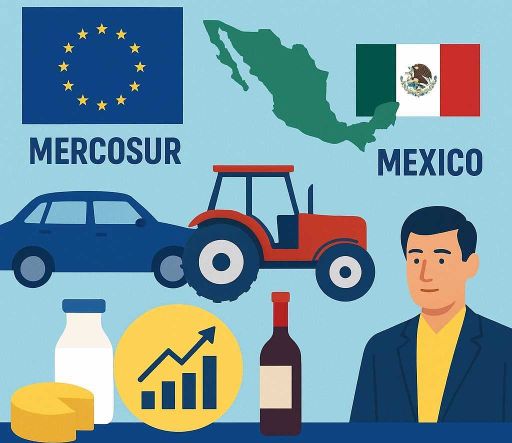
The EU's long-awaited trade agreements with Mercosur and Mexico mark a pivotal step toward economic diversification and reduced dependence on the United States. Dr George Robakidze unpacks the economic, political, and strategic dimensions of the agreements, showing how they could reshape Europe's global trade posture…


Russia's strikes on SOCAR facilities in Ukraine have pushed Moscow–Baku relations into a new phase of tension. In this commentary, George Robakidze analyzes how the targeting of Azerbaijani energy assets goes beyond the battlefield, serving as a tool of political signaling amid shifting alliances in…
Austria's traditional neutrality is facing renewed scrutiny amid growing security challenges in Europe. This commentary examines recent remarks by Foreign Minister Beate Meinl-Reisinger questioning whether neutrality alone can safeguard Austria. As the political establishment cautiously navigates public sentiment, a national debate emerges highlighting the country's…


As Ukrainians take to the streets to defend their democratic institutions, their government responds with promises of reform and alignment with European values. In stark contrast, Georgia's leadership meets mass pro-European protests with repression, punitive laws, and a retreat from the EU path, steering the…

As Europe's largest seaport begins clearing space for regular military cargo, the Port of Rotterdam is quietly becoming a cornerstone of NATO and EU defence planning. David Dondua explains how the logistical changes underway are a direct follow-up to the 2025 NATO Summit in The…


In this article, Megi Benia explores the evolving trajectory of UK defence policy in the aftermath of Brexit and in response to intensifying global threats. Analysing the UK's 2025 Defence Review, she highlights how Britain is reasserting its global role through increased defence spending, strategic…


In this article, Salome Toliashvili critically examines the dynamics of EU-Georgia migration cooperation beyond the dominant securitisation and crisis-management narratives. Drawing on original research, she analyses why Georgia's compliance with EU migration policy has slowed since visa liberalisation, revealing the limits of conditionality in a…


IntroductionThe NATO Summit held in The Hague on 24-25 June 2025 marked a pivotal moment in the Alliance's evolution. Amid Russia’s continuing war of aggression against Ukraine, intensifying hybrid threats, and growing global instability, the heads of state and government of NATO’s 32 member countries…
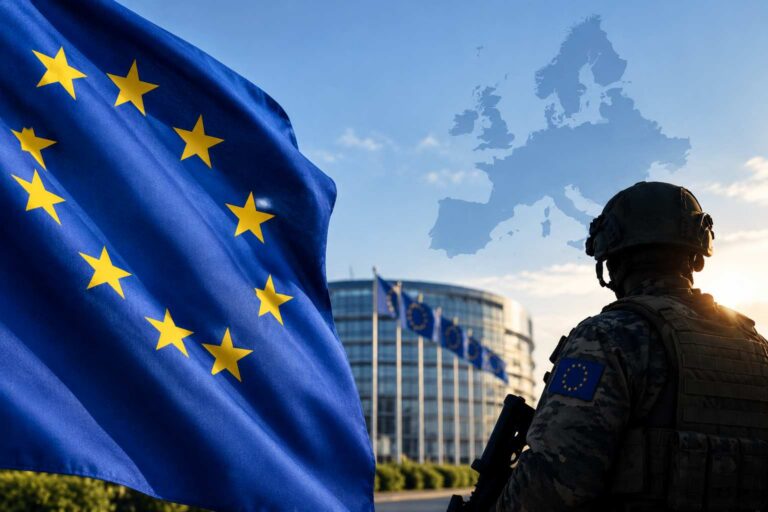
Council Regulation (EU) 7926/25, adopted on 20 May 2025, establishes the Security Action for Europe (SAFE) as a legal and financial instrument to address the rapidly deteriorating European security landscape. It represents the EU’s most significant step toward a structured and large-scale financial instrument dedicated…

This policy commentary reflects on Georgia's decades-long aspiration to become part of the democratic world, tracing its unwavering public support, historic reform efforts, and recent setbacks under the current government. It unpacks the complex geopolitical realities behind Georgia's stalled NATO aspirations and evolving EU relationship,…
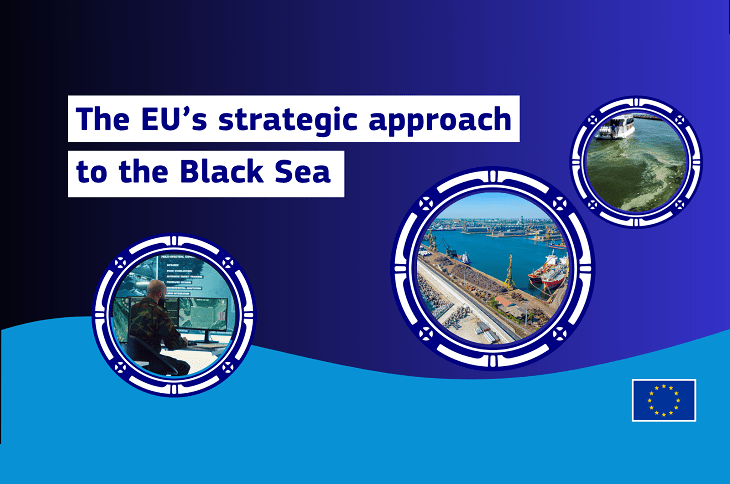
The European Union’s new strategy for the Black Sea region responds to the ongoing geopolitical upheaval caused by Russia's full-scale invasion of Ukraine. This unprovoked, brutal war has triggered the process inside the EU that was almost unthinkable before 2022. With this new strategy, the…

Romania's 2025 presidential election was more than a national vote — it was a defining moment for the future of European democracy and security. Against the backdrop of rising extremism and geopolitical tensions, Romanian citizens faced a stark choice: uphold their country's pro-European democratic trajectory…

In 1949, when Europe was still reeling from the wounds of World War II, ten Western European states (Belgium, Denmark, France, Ireland, Italy, Luxembourg, the Netherlands, Norway, Sweden, and the United Kingdom) created an international organisation and called it the Council of Europe. The organisation’s…

As international pressure mounts to negotiate a ceasefire in the Russo-Ukrainian war, this analytical commentary argues that the European Union must not be sidelined in shaping the post-war order. The article warns that a rushed or unbalanced peace would undermine European security, embolden authoritarian actors,…
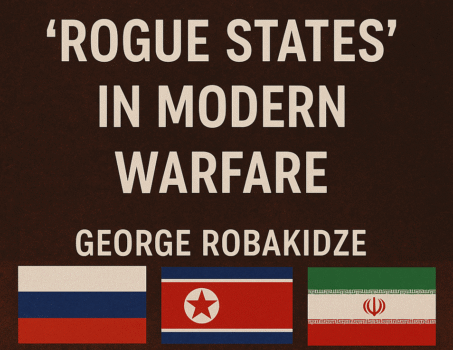
In this article, George Robakidze explores the shifting strategic significance of states traditionally regarded as "rogue" or pariah actors in the international system. Using the example of Russia's war in Ukraine and its evolving partnerships with North Korea, Iran, and Eritrea, the author argues that…
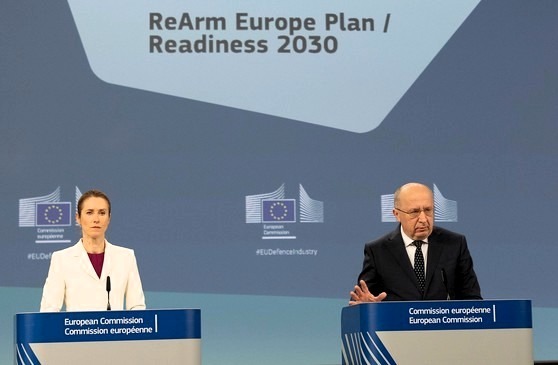
The Joint White Paper for European Defence Readiness 2030, released by the European Commission in March 2025, marks a significant turning point in the EU's approach to security and defence. George Robakidze examines the White Paper's key messages, highlighting the urgent need for coordinated action…