Independent analysis on European policy, integration, and democratic governance.
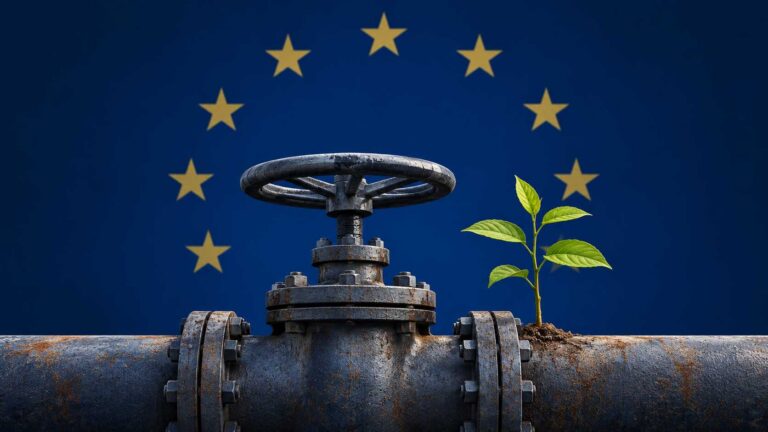
REPowerEU is the European Union's plan to phase out Russian fossil fuels by 2027 while accelerating the shift to renewable energy. This opinion paper examines how Brussels is working to help Hungary achieve independence from Russian gas, weaken energy lobbies, and pave the way for…


In 2026, two Polish MEPs invited students to challenge them in debates modelled on American campus activism. Although the audience often chose the topics, the politicians repeatedly reframed questions about EU policies as disputes over Brussels’s authority. Their party’s voters are split on membership but…


On 16 November in Vienna, Austria, Denmark, Germany, Greece and the Netherlands announced plans to set up a return hub in Rwanda. It would be the first EU facility of this kind outside the Union. The move shows how far Europe's migration debate has shifted…


Allegations involving Nvidia’s former chief executive Jensen Huang have drawn attention. On 11 November 2026, Nvidia’s board accepted his resignation, three days after announcing an independent investigation into reports of a possible foreign intelligence operation. The company confirmed his departure in a regulatory filing. The…


Bad habits die hard. Particularly diplomatic ones. During my years in government, whenever a major international summit approached - especially one bringing together the world's political heavyweights, the so-called Big Boys - President Eduard Shevardnadze would instruct us to prepare informal diplomatic memoranda, known in…


The memorandum signed in Birmingham on 4 September 2026 by Nigel Farage and Jordan Bardella is a political document between two parties, Reform UK and the Rassemblement National, and by its own terms it applies only if both form the next governments of their countries.…

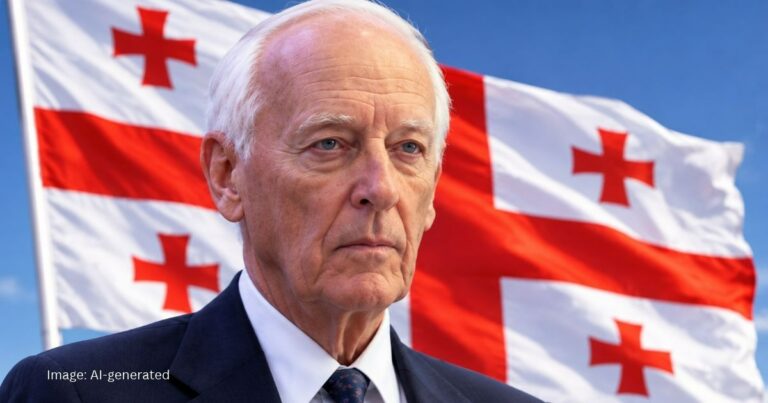
General Sir Garry Johnson had passed away. Georgia has lost a steadfast supporter, a demanding mentor, and a man who took our independence and our future seriously.

This commentary examines the scale and mechanisms of Russian online influence operations in the context of Ukraine’s strikes on Russian Yandex data centres and the subsequent claims of declining bot activity. It questions whether disruptions to digital infrastructure can significantly weaken foreign influence and explores…


Poland's latest central-bank appointments have resolved a management-board staffing dispute while creating vacancies on the Monetary Policy Council. With parliament preparing to consider proceedings against governor Adam Glapiński, the reshuffle highlights a legal question: who can make binding monetary-policy decisions if the governor cannot participate?…


Recent bomb threats disrupting European flights, cyberattacks targeting civilian infrastructure and reports of unidentified drones raise questions about the strategic significance of seemingly isolated incidents. This commentary examines how operational disruption can become an instrument of subversion, exploiting vulnerabilities in human security to undermine public…

The EU’s disinformation strategy has built strong detection and institutional-response capacity, but it has left citizens’ critical-thinking skills underdeveloped: citizens report awareness of disinformation without necessarily being equipped to recognise how it works. Drawing on Eurosceptic rhetoric in Italy, this brief argues that disinformation is…


The Democrats' return to control of both chambers of Congress changes the political balance in Washington. But what does it mean for America's role in the world? Will congressional resistance make Trump's foreign policy more predictable, or merely more complicated? Will it constrain his transactional…

The midterms have changed the balance of power in Washington. Democrats now have the House and the Senate. That puts President Trump in a very different position in the final two years of his term. Congress will have a far greater ability to scrutinise the…


Cyberattacks on commercial refrigeration systems raise questions about the everyday dependencies that connect European societies. This opinion paper considers how shared vulnerabilities might contribute to a sense of European belonging, while distinguishing confirmed incidents from uncertain attribution and possible psychological effects. It argues that belonging…


Individual responsibility, evidence and operational effects Executive summary Targeted sanctions turn attribution into a decision about individual responsibility. This policy brief examines whether the EU framework for Russia’s destabilizing activities can support that decision when foreign information manipulation and interference (FIMI) operations involve intermediaries and…


Georgia missed its 2023 deadline to implement European emergency oil-stock rules. A draft examined in 2025 proposed postponing a key stockholding decision until 2030. Meanwhile, Russia remained Georgia’s largest individual supplier of gasoline and diesel in 2026. This commentary examines what Georgia’s reporting gaps, Montenegro’s…