Independent analysis on European policy, integration, and democratic governance.
Joint policy brief by the EU Awareness Centre and the Yerevan Center of Foreign and Security Policy. Armenia has announced it will prepare an EU membership application. The brief draws lessons from Georgia’s experience, where progress stalled despite around 80% public support. Its central finding…
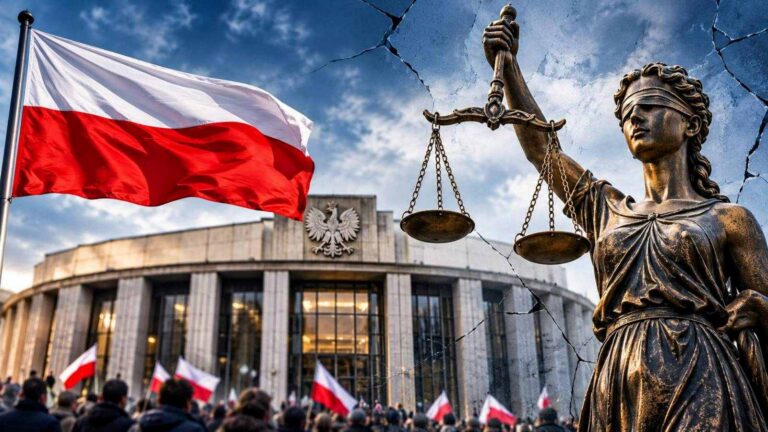
Poland's latest confrontation over the Constitutional Tribunal raises a question that goes beyond the immediate dispute between the government and the president: how can a country restore the rule of law after years of political conflict over its institutions without creating new doubts about the…


The prolonged war in Ukraine has irrevocably dismantled the post-Cold War illusion of permanent European stability, signaling a definitive return to industrial-scale warfare and unapologetic great-power competition. For decades, the dominant Western strategic paradigm rested on the principles of liberal internationalism, the assumption that deep…
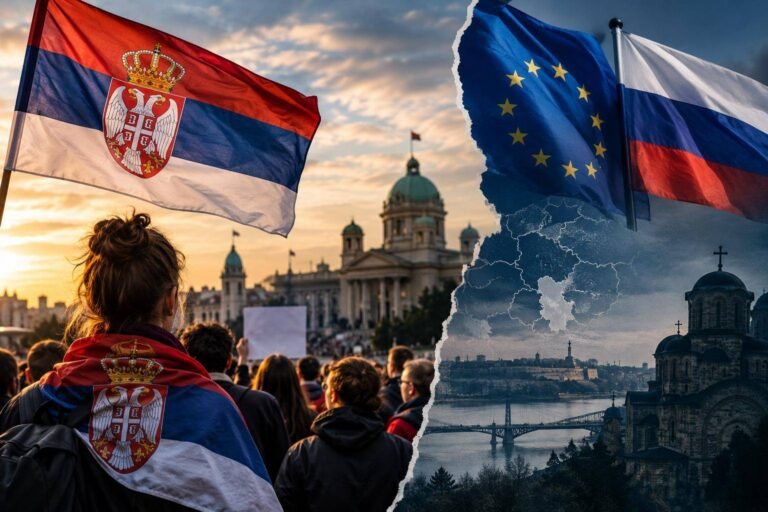
Aleksandar Vučić's electoral defeat is a watershed moment in Serbian politics. He stepped down as president in September to run as the SNS list's candidate for prime minister. On 25 October he was voted out. The Student List (which emerged from nearly 2 years of…
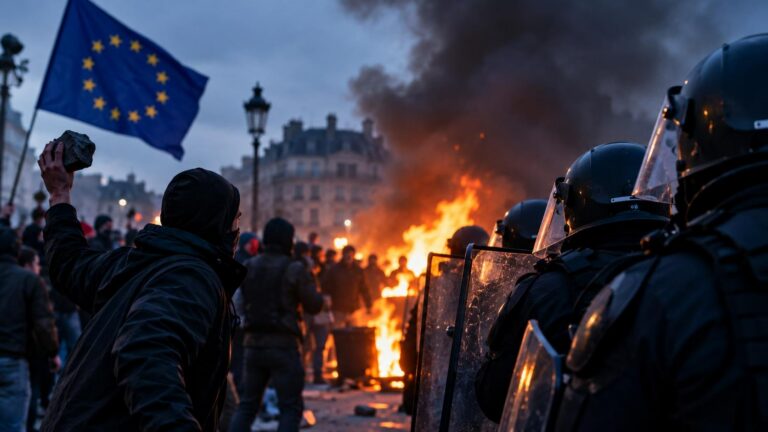
On 17 October, more than half a million people marched across France against the high cost of living. Most of them marched peacefully and then went home. But by the evening, the town hall in Limoges was on fire, there was tear gas in Paris,…
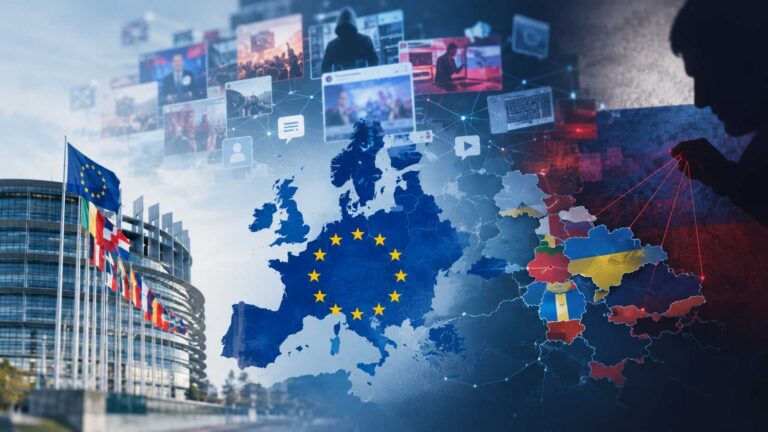
A comparative analysis of Russian Foreign Information Manipulation and Interference in EU Member States and the EU’s eastern neighbourhood (January 2025 to October 2026) — examining objectives, toolkits, laundering models, regional patterns and the limits of resilience. Executive Summary Russian information operations accompanied elections across…


Turning the Savings and Investments Union into a Functioning Single Market Executive summary On 9 October 2026, EU finance ministers reached political agreement on the key elements of the Council's negotiating position on the Market Integration and Supervision Package (MISP). The package combines measures against…


On 7 October 2026, US Secretary of State Marco Rubio, speaking in Athens with the ancient Acropolis in the background, told Europe that power rests not only on strength but on “the credibility that you are willing to use it”. Two days later, on 9…

Speaking on a panel at the 21st Bled Strategic Forum on 31 August 2026, Hungarian Prime Minister Péter Magyar stated, “It’s quite difficult to explain to Hungarians why Hungary is treated so unfairly in Brussels [over migration policy]. We have a court ruling; we have…

The European Commission has once again made enlargement a priority. Its Communication, entitled Preparing for a wider Union (COM(2026) 705), published on 6 October 2026, outlines the actions the EU should take before new countries become members. In 2023, EU leaders agreed in Granada that…

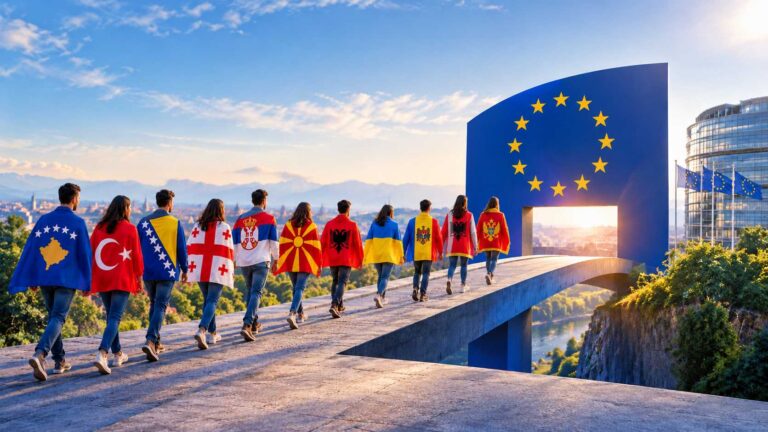
Introduction Every enlargement debate eventually arrives at the same question: can the European Union take in new members without weakening itself? For two decades the answer was postponed. Candidate countries were told to reform; the Union, for its part, was rarely asked to do the…
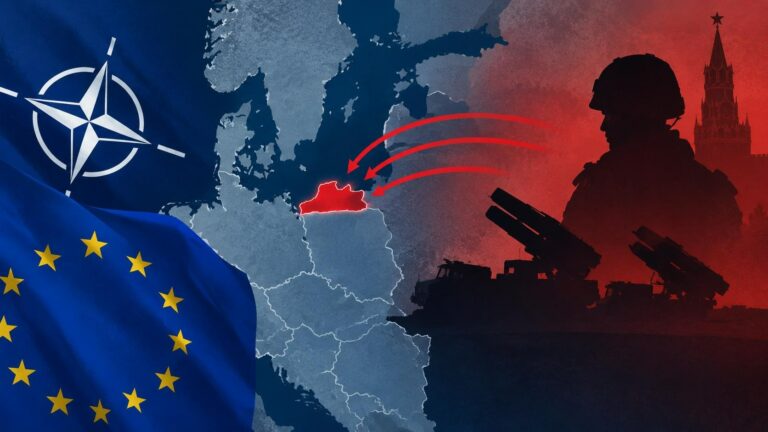
On 28 September 2026, the Russian Embassy in Belgium released a highly vigorous statement in which it accused NATO and its member states of worsening the military and political situation surrounding Russia's Kaliningrad Region; it stated that NATO was drawing up scenarios for isolating the…

Synthesis paper of the EU Awareness Centre Forum "Georgia at 35: Lessons of a Generation"

Commentary on the 2026 State of the Union Address by President von der Leyen In her State of the Union address on 16 September, Ursula von der Leyen put information warfare on the same level as war and economic competition. She said Europe faces three…

The article explains what an EU implementation report is and how to read one critically, then assesses delivery under each of the Strategy's three pillars — security and resilience, connectivity and growth, and environmental protection and civil protection — distinguishing throughout between engagement and outcome.

In a 2025 interview with Radio Free Europe's Georgian Service, former Federal Security Service (FSB) Colonel and Russian opposition figure Gennady Gudkov provided insight into Russia’s influence campaign over Georgia.